
Dissociative Disorders and Dissociation

Dissociative disorders are mental health conditions that involve experiencing a loss of connection between thoughts, memories, feelings, surroundings, behavior, and identity. These conditions often develop as a response to traumatic events, such as abuse or severe stress. People with dissociative disorders may feel detached from reality, experience memory loss, or have a blurred sense of identity.
Types of Dissociative Disorders
Depersonalization/Derealization Disorder: This involves persistent feelings of being detached from oneself or feeling that the surroundings are unreal or distorted.
Dissociative Identity Disorder (DID): Individuals with DID have two or more distinct identities or personality states that control their behavior at different times.

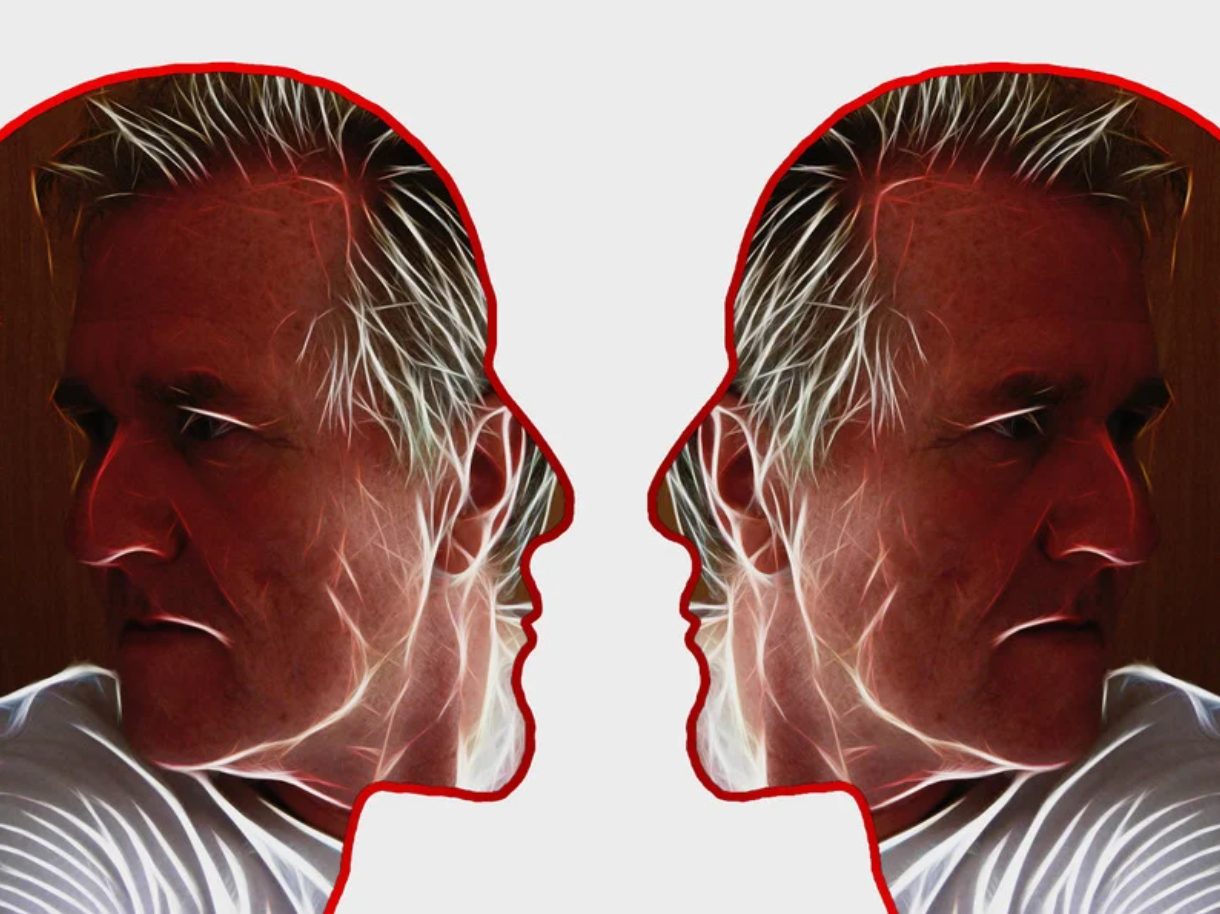
Dissociative Amnesia: This condition is characterized by significant memory loss of specific events, people, or personal information.
Dissociative Fugue: This condition is rare, and it involves a person to experience temporary memory loss and disorientation. Someone experiencing a dissociative fugue may find themselves in a new geographical place and unable to remember who they are.
Symptoms of dissociative disorders can vary but may include:
- Memory loss (amnesia) of certain time periods, events, or personal information.
- Feeling detached from oneself or surroundings.
- Distorted perceptions of reality.
- Emotional numbness or a lack of a sense of self-identity.
- Mental health problems such as depression, anxiety, and suicidal thoughts.


Treatment Options
Treatment for dissociative disorders typically involves a combination of psychotherapy (talk therapy) and, in some cases, medication. Some common treatment approaches are:
- Psychotherapy: This is the primary treatment for dissociative disorders. It involves talking about the disorder and related issues with a mental health professional. Therapies such as cognitive-behavioral therapy (CBT) and complex trauma therapies can be particularly helpful.
- Medication: While there are no medications specifically for dissociative disorders, antidepressants, anti-anxiety medications, or antipsychotic medications may be prescribed to address co-occurring symptoms like depression or anxiety.
- Supportive Care: Building a strong support system with friends, family, and support groups can also be beneficial.
Living with Dissociative Disorders
Living with dissociative disorders can be heavy and sometimes even scary. With professional treatment, many people with dissociative disorders can manage their symptoms and improve their daily functioning. It’s important to seek help from a mental health professional experienced in treating trauma-related disorders.
The reenactment depicted in this clip demonstrates some of the challenges that living with dissociative identity disorder can pose. If you can relate to what the woman in this clip is experiencing, please know that help is available.
Types of dissociative disorders
Depersonalization/derealization disorder.
Persistent feelings of being detached from your own body, thoughts, or emotions (depersonalization), or of the world around you seeming unreal, foggy, or dreamlike (derealization), while knowing that these feelings are not literally true.
Dissociative amnesia.
An inability to recall important personal information, usually connected to trauma or stress, that goes far beyond ordinary forgetting. In rare cases this includes dissociative fugue, in which a person travels or wanders with no memory of who they are.
Dissociative identity disorder (DID).
Two or more distinct identity states, with recurring gaps in memory. DID develops in response to repeated early trauma. Read more on my Dissociative Identity Disorder (DID) Treatment page.
Other specified dissociative disorder (OSDD).
Dissociative symptoms that cause real distress but do not fit neatly into the categories above, such as identity states without significant amnesia, or dissociation following prolonged coercion.
Signs you may be dissociating
- Losing track of time, or “coming to” in the middle of an activity.
- Feeling like you are watching yourself from outside your body.
- Numbness or a sense that nothing is quite real.
- Gaps in memory for important events, conversations, or periods of childhood.
- Feeling like different versions of yourself show up in different situations.
- Being told you said or did things you have no memory of.
Occasional, mild dissociation (such as zoning out on a familiar drive) is normal. When it is frequent, distressing, or disrupts daily life, it is worth talking to a therapist who understands it.
How dissociative disorders are treated
Effective treatment for dissociation is phase-based. First we build safety, grounding, and stability. Only then do we begin processing the trauma that created the need to dissociate, using The Cortina Method (TCM) and Brainspotting to work through it as gently as possible. The final phase focuses on co-consciousness among parts (or integration, if that is what you choose) and on building a life that feels present and whole. Medication alone does not treat dissociation, though it can help with related symptoms such as depression, anxiety, or sleep.
Working with me in Ventura or online across California
My office is at 1752 S. Victoria Avenue, Suite 270 in Ventura, California, and I see clients online by secure video throughout the state. I have 22 years of experience as a licensed marriage and family therapist (LMFT #87631) and specialize in complex trauma and dissociation. I am in-network with United Healthcare/UBH, Optum, UMR, Cigna/Evernorth, and Carelon. Services & Rates · Contact Susan
Frequently asked questions
Is dissociation the same as daydreaming?
Mild dissociation is on the same continuum, but a dissociative disorder involves symptoms that are frequent, distressing, and disruptive, and that usually trace back to trauma.
Can dissociation be cured?
Many people recover fully or substantially. The dissociation itself becomes unnecessary once the underlying trauma is processed and daily life feels safe.
Do you treat teenagers?
I work with adults 22 and older.
How do I start?
Send a message through the Contact Susan page or call 805-746-6567 to schedule a first session.