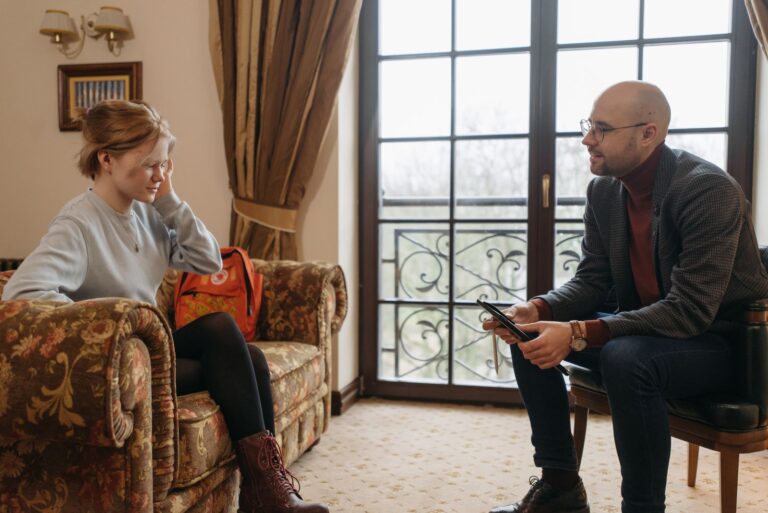

Grieving During the Holidays: Making Room for Loss
The lights go up, the calendar fills with gatherings, and everyone seems to be asking you to be cheerful. But if someone you love has died, the holidays can make their absence louder than ever. If that is where you are this year, you are not doing the season wrong. You are grieving, and grief does not take a break for celebrations.
Here is a gentle look at why the holidays can hit so hard, and some ways to make room for both your loss and the season.
Why grief can feel sharper during the holidays
Holidays are built on memory. Familiar foods, songs, traditions, and seats at the table all point back to the person who is gone. Your mind and body may react before you have time to think about it.
You might notice:
- Waves of sadness that seem to come from nowhere
- Irritability, tiredness, or trouble sleeping
- Dread as a particular date gets closer, sometimes called an anniversary reaction
- Feeling numb or far away from everyone around you
- Guilt when you laugh or enjoy something
All of these are common. Grief shows up in the body and in daily life, not only as tears. Loss is not always a death, either. A divorce, an estrangement, a move, or a family that has changed can bring grief at this time of year too.
The pressure to be “merry”
Many people feel they have to hide their sadness so they do not spoil the mood. Others worry that their sadness makes them a burden. That pressure can make grief heavier, because now you are carrying the loss and the performance.
It may help to remember that grief and joy can exist side by side. You can smile at a funny memory and cry five minutes later. Neither one cancels the other, and neither means you loved the person any less.
Ways to make room for your grief
There is no single right way to get through the season. These ideas are meant to give you options, not rules.
- Plan ahead. Decide in advance which events you want to attend and which you can skip. It is okay to say, “I’m not sure I’ll make it, but thank you for asking.”
- Give yourself an exit. Drive your own car, or agree on a signal with a trusted person so you can leave when you need to.
- Keep a little tradition, change a little. Some people keep a favorite ritual. Others create something new. Both are valid, and you can change your mind next year.
- Remember on purpose. Light a candle, cook a favorite recipe, share a story, or set an empty place. Choosing a moment to remember can feel easier than being caught off guard.
- Protect the basics. Grief is tiring. Regular meals, water, movement, and sleep will not fix it, but they give your body more to work with.
Telling people what you need
Friends and family often want to help but do not know how. Being specific can make it easier for everyone. You might say, “I’d love to hear stories about her,” or, “I may be quiet today, and that’s okay.” You can also say what you do not want, such as advice, or being asked to “look on the bright side.”
If you are supporting someone who is grieving, you do not need perfect words. Saying the person’s name, listening without fixing, and checking in after the holiday has passed can mean a great deal.
When grief needs extra support
Grief is not an illness, and it does not follow a schedule. Still, support can make a real difference. It may be time to talk with a therapist if:
- Your grief feels stuck or is getting more intense over time
- You cannot manage daily tasks like work, eating, or sleeping
- The loss was sudden or traumatic, and images or memories keep intruding
- You feel hopeless, or you are pulling away from everyone
- You are using alcohol or other substances to get through each day
A therapist can offer a steady space to talk about the person you lost, sort through mixed feelings such as anger or relief, and learn ways to settle your body when waves hit. You do not have to wait until things are unbearable to ask for help.
This article is for education and is not a substitute for therapy or medical advice. If you are in crisis, call or text 988 in the United States.
If the holidays are weighing on you this year, you are welcome to reach out to Susan Canchola, MS, LMFT. You can also learn more about how therapy works or see services and rates. Sessions are available in person in Ventura and online across California.
Looking for more support between reads?
Theraglee is a free mental health toolkit built for everyday life. In about five minutes you can log your mood, write in a private journal with a fresh daily prompt, work through self-discovery tools and checklists, or pick up a daily affirmation, quote, and tip. When you are ready to talk with someone, Theraglee Match Mode lets licensed therapists who fit what you are looking for reach out to you first, and your name stays private until you reply. Creating an account is free, and no card is needed.