
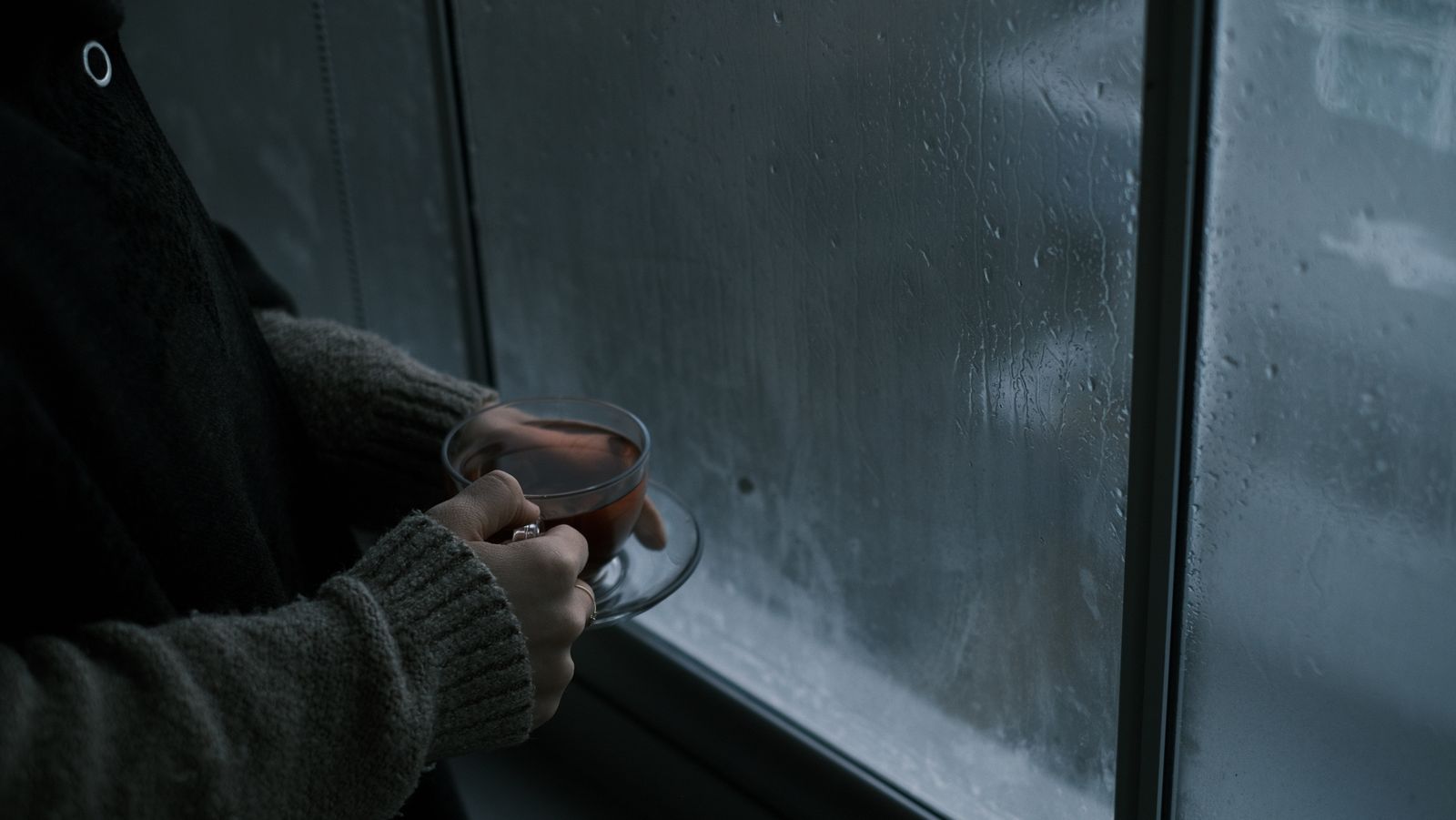
Holiday Stress: Gentle Ways to Protect Your Peace
The holidays are supposed to feel warm and bright. For many people, they feel crowded, expensive, and emotionally heavy instead. If you notice your stomach tightening as November turns into December, you are far from alone. The season brings extra tasks, big expectations, and often a lot of time with people who know exactly which buttons to push.
The good news is that you do not have to white-knuckle your way through. A few gentle, practical habits can make the season more manageable. Here is a place to start.
Why the holidays can feel so stressful
Stress rarely comes from one thing. It usually piles up from several directions at once:
- Pressure to feel happy. When everyone seems cheerful, it can feel like something is wrong with you if you are not.
- Family dynamics. Old roles and old conflicts tend to resurface when relatives gather.
- Money and time. Gifts, travel, and hosting stretch both budgets and calendars.
- Grief and absence. Empty chairs at the table are often most noticeable this time of year.
- Disrupted routines. Sleep, meals, and movement often slip when schedules fill up.
For people who carry a history of trauma, holidays can also bring reminders of difficult times. Your body may react before your mind understands why. That reaction is not a weakness. It is your nervous system doing its best to protect you.
Notice your early warning signs
Stress usually whispers before it shouts. Learning your own early signals gives you a chance to respond sooner. Common signs include:
- A tight chest, clenched jaw, or tense shoulders
- Trouble falling asleep or waking in the middle of the night
- Feeling irritable, tearful, or unusually numb
- Foggy thinking or feeling “spaced out”
- Wanting to cancel everything and hide
When you spot one of these, pause. Take a slow breath that is longer on the exhale than the inhale. Feel your feet on the floor. Even thirty seconds can help your body shift out of high alert.
Make a realistic plan, and protect your energy
You are allowed to decide what you can handle this season. A few questions can help:
- Which events matter most to me, and which ones am I attending only out of obligation?
- How long can I comfortably stay, and what is my plan if I need to leave early?
- Who is one safe person I can text if things get hard?
- What is one quiet thing I can build into each day, such as a short walk or a cup of tea?
It is also fine to say no. A simple, kind sentence works well: “Thank you for the invitation. I am not able to come this year, but I am thinking of you.” You do not owe a long explanation.
Boundaries around money, conversation topics, and time are just as valid. If a subject is off limits for you, you can say, “I would rather not talk about that today. How was your trip?” and then change the subject.
Be gentle with your emotions
Mixed feelings are normal. You can feel grateful and sad in the same hour. You can love your family and still feel drained by them. Rather than pushing a feeling away, try noticing it, naming it, and allowing it to be there for a moment. Emotions tend to move through more easily when they are acknowledged than when they are fought.
If you are grieving, consider a small ritual of remembrance, such as lighting a candle or sharing a favorite story about the person. If you are lonely, reaching out to one friend or joining a community gathering can ease the weight. Small connections count.
Basic care matters too. Try to keep regular meals, a steady bedtime, and some movement. Go easy on alcohol, which can worsen sleep and mood. These habits are not glamorous, but they give your nervous system a steadier base.
When to ask for support
Holiday stress is common, but it should not take over your life. Consider reaching out to a therapist if you notice that:
- Low mood, anxiety, or numbness lasts most days for two weeks or more
- Sleep or appetite has changed significantly
- Reminders of past trauma are hard to manage on your own
- You are using substances to get through the season
- You feel hopeless or alone with your worries
Therapy can offer a steady place to sort through what the season brings up, build coping skills, and plan ahead for hard moments. Asking for help is a sign of care for yourself, not a sign of failure.
This article is for education and is not a substitute for therapy or medical advice. If you are in crisis, call or text 988 in the United States.
If the season ahead feels like too much to carry alone, you are welcome to reach out to Susan to talk about what support could look like. You can also learn more about how therapy works and what to expect.